Streetwear

 Sportswear

 Activewear

 Jackets

 Workwear


 Accessories

 Gloves

 Private Labels


When starting or growing a clothing brand, choosing the right manufacturing model is an important decision. Two common options are OEM (Original Equipment Manufacturing) and ODM (Original Design Manufacturing).
Both models allow brands to work with professional clothing manufacturers, but they differ in how products are designed, developed, and produced.
Understanding the difference can help you choose the right manufacturing approach, manage your budget, and bring your clothing ideas to market more efficiently.
What Is OEM Clothing Manufacturing?
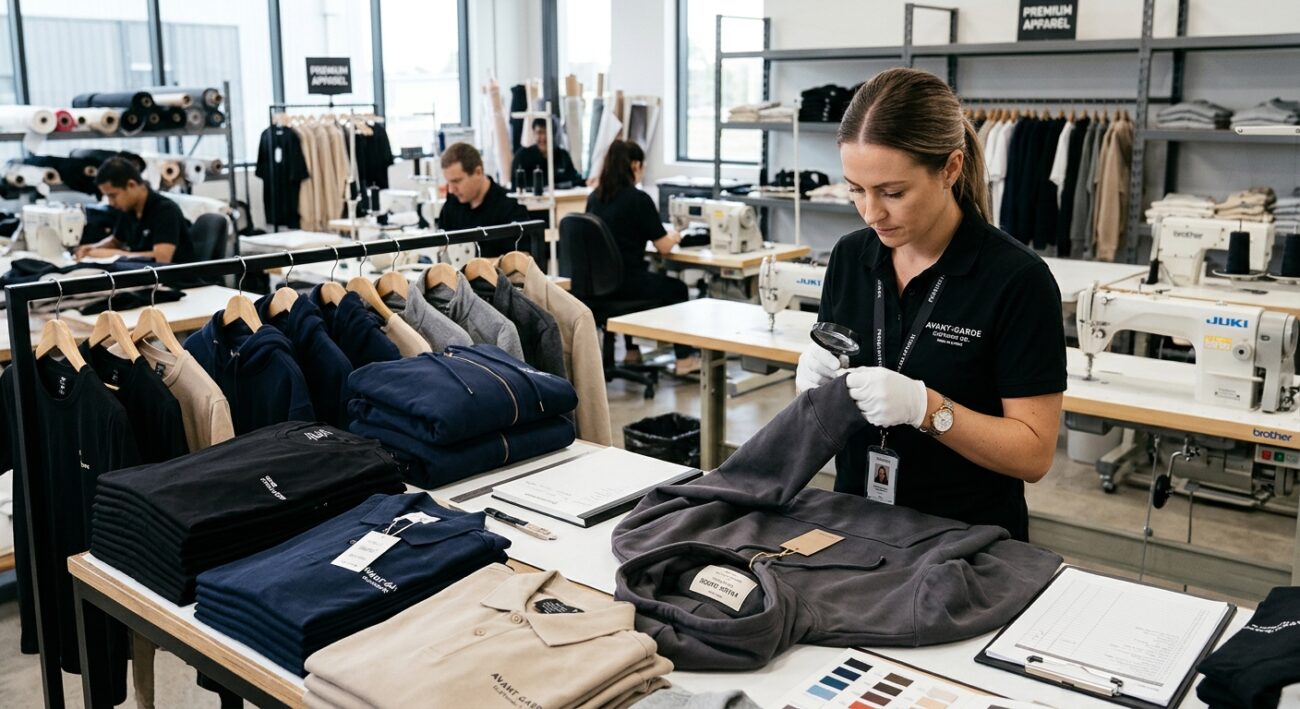
OEM clothing manufacturing is a production model where the customer provides the product design, specifications, or technical package, and the manufacturer produces the garments according to those requirements.
The brand controls the product concept, design details, materials, colors, measurements, and branding.
An OEM manufacturer helps turn those specifications into finished products through pattern development, fabric sourcing, cutting, sewing, printing, embroidery, labeling, and finishing.
OEM manufacturing is suitable for brands that already have their own designs and want a manufacturing partner to produce them.
For example, a clothing brand may provide a technical package for custom hoodies, including fabric weight, measurements, stitching details, artwork, and label specifications. The manufacturer then develops and produces the garments according to the approved requirements.
Explore Unison Textile’s OEM clothing manufacturing services to learn more.
What Is ODM Clothing Manufacturing?
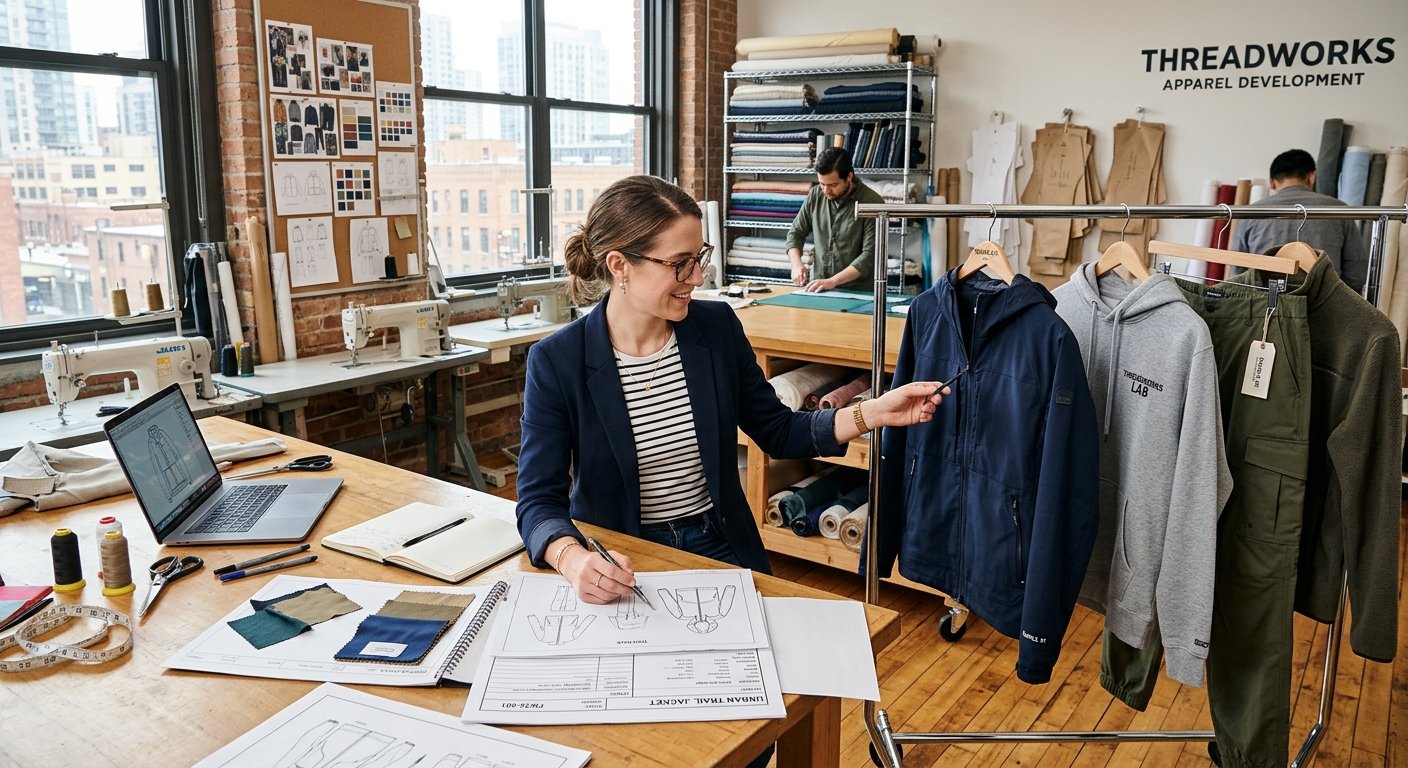
ODM stands for Original Design Manufacturing. In this model, the manufacturer contributes more to the product development process by helping create or develop designs.
Customers may provide an initial idea, reference images, sketches, or general product requirements. The manufacturer then assists with design development, materials, patterns, and product construction.
This approach can be useful for businesses that have a product concept but need technical support to develop it into a finished garment.
For example, a startup may want to launch a new sportswear collection but may not have complete technical specifications. An ODM manufacturer can help develop the product based on the brand’s requirements.
Learn more about Unison Textile’s ODM clothing manufacturing services.
OEM vs ODM: What Are the Main Differences?
Although both manufacturing models support custom clothing production, their main difference is the level of design involvement.
OEM manufacturing:
- The customer provides the design or technical specifications.
- The manufacturer produces garments according to the approved requirements.
- The brand has greater control over product details.
- It is suitable for established designs and developed collections.
ODM manufacturing:
- The customer can begin with an idea, sketch, or reference.
- The manufacturer helps develop the product design and specifications.
- The manufacturer provides technical input during product development.
- It is suitable for brands that need assistance turning ideas into finished products.
In both models, the customer should review and approve important details before bulk production begins.
Which Manufacturing Model Is Better for Your Clothing Brand?
The right choice depends on your experience, resources, and product requirements.
Choose OEM if You Already Have Designs
OEM is a strong option when you have completed designs, technical packages, or detailed product specifications.
It allows you to maintain control over your brand’s products while working with a manufacturer that handles production.
This model is particularly suitable for established clothing brands, sportswear labels, and businesses with their own design teams.
Choose ODM if You Need Product Development Support
ODM may be a better choice if you have ideas but need help developing them into manufacturable products.
A manufacturer can assist with selecting fabrics, developing patterns, reviewing construction details, and refining product specifications.
This can make the development process easier for new brands and businesses entering a new product category.
What Products Can Be Manufactured Through OEM and ODM?
Both manufacturing approaches can support a wide range of custom apparel and product categories, depending on the manufacturer’s capabilities.
Examples include:
- T-shirts and tops: Custom everyday wear, oversized T-shirts, polo shirts, and branded tops.
- Hoodies and sweatshirts: Pullover hoodies, zip-up hoodies, and custom sweatshirts.
- Jackets and outerwear: Bomber jackets, tracksuits, windbreakers, and other outerwear.
- Sportswear: Custom jerseys, training wear, compression clothing, and performance apparel.
- Workwear and uniforms: Corporate uniforms, industrial workwear, medical scrubs, and chefwear.
- Sports gloves: Custom cycling gloves, goalkeeper gloves, gym gloves, and other sports gloves.
Explore some of our manufacturing capabilities:
- Custom T-shirts and tops
- Custom hoodies and sweatshirts
- Custom jackets and outerwear
- Custom sportswear
- Custom workwear and uniforms
- Private label clothing manufacturing
What Should You Consider Before Choosing a Manufacturer?
Selecting a manufacturing partner involves more than comparing unit prices. You should evaluate several important factors before starting a project.
1. Product Development Capabilities
Choose a manufacturer that understands your product category and can support the required development process, whether you provide a complete technical package or only an initial concept.
2. Fabric and Material Selection
Fabric quality affects comfort, durability, appearance, and performance. Discuss fabric composition, weight, texture, and availability before approving production.
3. Sampling and Quality Control
A sample allows you to review fit, construction, materials, branding, and finishing before proceeding with a bulk order.
4. Minimum Order Quantity
Ask about the minimum order quantity (MOQ) for your selected product, fabric, and color. Make sure the production requirements fit your business plan.
5. Branding and Customization
If you are building a private label brand, confirm that the manufacturer can produce custom labels, embroidery, printing, hangtags, and packaging according to your specifications.
6. Communication and Production Timeline
Clear communication is essential. Discuss development time, approval stages, production schedules, payment terms, and shipping arrangements before confirming your order.
OEM and ODM Manufacturing at Unison Textile
At Unison Textile, we support international clothing brands, startups, and established businesses with custom apparel manufacturing and product development.
Our services cover the process from initial concepts and technical packages to finished, branded products.
Depending on your project, we can assist with pattern development, fabric sourcing, garment construction, printing, embroidery, custom labels, and packaging.
Whether you need OEM production based on your own specifications or ODM support to develop a product concept, our team works according to your requirements.
We manufacture custom clothing and sportswear on demand, with production tailored to each customer’s approved design and specifications.
Start Your Custom Clothing Manufacturing Project
Choosing between OEM and ODM becomes easier when you understand how much design and development support your project requires.
If you already have complete designs, OEM may be the right approach. If you need help developing your ideas, ODM may be more suitable.
The most important step is to work with a manufacturer that understands your products, communicates clearly, and can meet your quality and production requirements.
Contact Unison Textile to discuss your clothing manufacturing project, share your designs or reference images, and request a custom quotation.